5G vs. 4G vs. LTE: What’s the Difference?
You see it in the corner of your phone screen every day: 5G, LTE, sometimes 4G. Most people know that 5G is the newest, but what do these labels actually mean, and what changes on a cell tower when a carrier moves from one to the next? As a crew that installs and upgrades this equipment for Verizon, we get this question a lot, so here is a plain-language breakdown.
What “G” Means
The “G” stands for generation. Each generation is a set of wireless standards that defines how phones and towers talk to each other. 1G carried analog voice calls, 2G brought digital calls and text messages, 3G added basic mobile internet, 4G made fast mobile broadband normal, and 5G is the current generation.
4G and LTE: Are They the Same Thing?
Almost, and this is where most of the confusion comes from. 4G is the generation, a set of performance targets for mobile networks. LTE, short for Long Term Evolution, is the technology carriers used to build their 4G networks. The first LTE networks did not fully hit every official 4G target, which is why the industry started using the label “4G LTE.” Later upgrades, called LTE-Advanced, closed that gap.
For everyday use, when your phone shows 4G or LTE, it means the same kind of connection: reliable broadband that handles streaming, video calls, maps, and social media. LTE is still the backbone of the network and covers far more ground than 5G does today.
What Makes 5G Different
5G uses a newer radio technology called 5G New Radio (5G NR). Compared with LTE, it brings three main improvements:
- More speed. 5G can use wider channels and more spectrum, so peak speeds are much higher, especially in busy areas.
- Lower latency. Latency is the delay before data starts moving. 5G is designed to cut it sharply, which matters for things like video calls, gaming, and connected equipment.
- More capacity. A 5G site can serve many more devices at once, so the network holds up better at stadiums, highways, and crowded downtowns.
Not All 5G Is the Same
5G runs on different frequency bands, and each one behaves differently:
- Low-band travels long distances and through buildings, but its speeds are often only a little better than LTE.
- Mid-band, including the C-band spectrum Verizon uses for its 5G Ultra Wideband service, is the balance point: much faster than LTE with good coverage from each tower.
- High-band (millimeter wave) is extremely fast but only reaches short distances, so it is used in dense spots like stadiums and city centers.
This is why two phones can both say 5G and still get very different speeds.
What This Means on the Tower
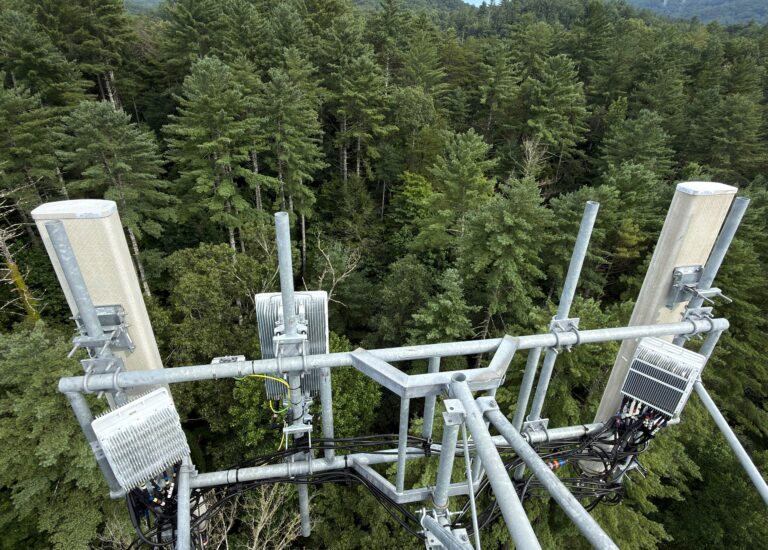
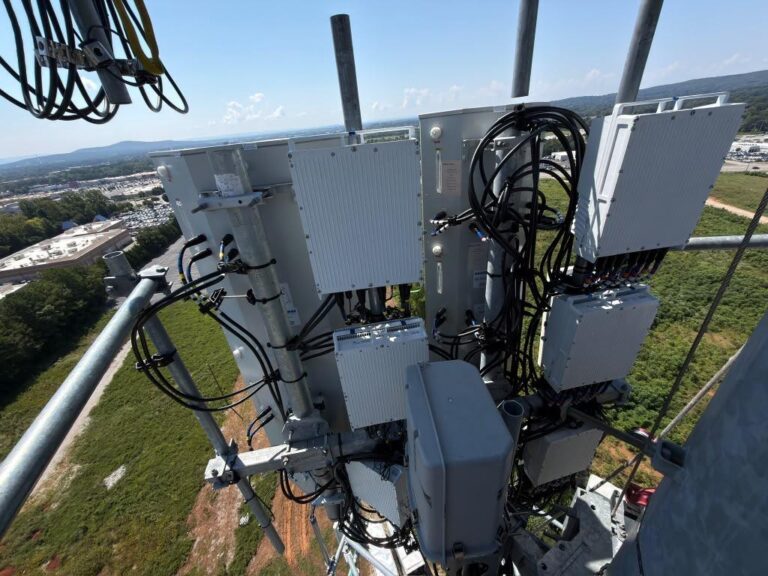
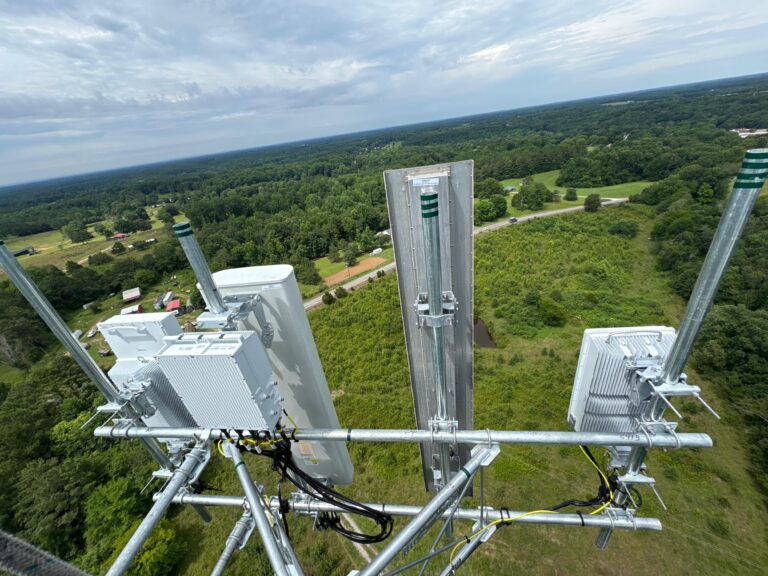
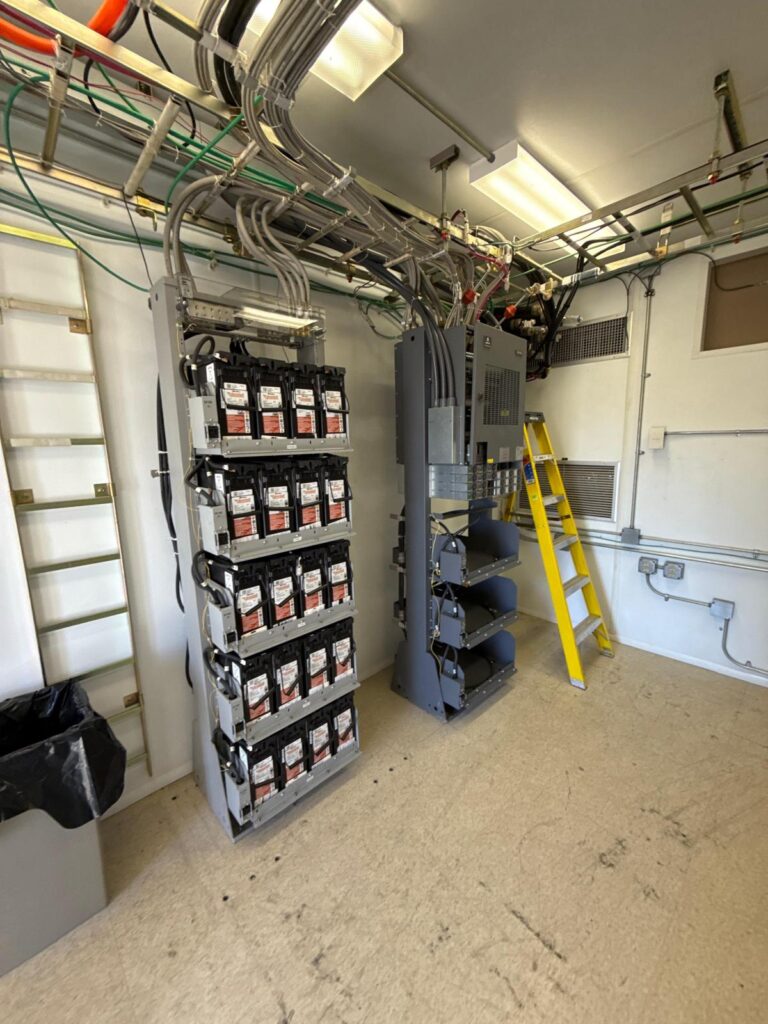
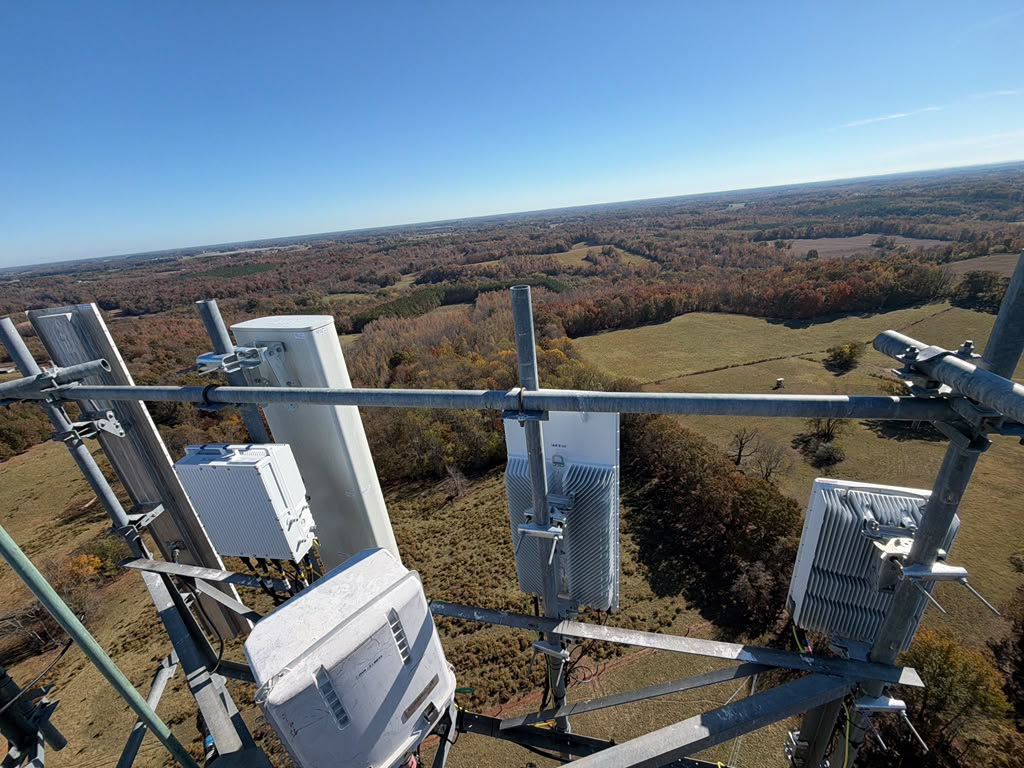
5G does not replace LTE overnight. The two run side by side, and most sites carry both. To add 5G, a site usually needs new antennas and radios that support the new bands, often larger multi-element antennas that can aim signal more precisely. That can mean new mounts, new cabling, and more power and fiber to the site.
That is the work our crews do every week: taking down older equipment, installing the new antennas and radios, running and securing the cables, and checking every connection before we leave. Each upgrade is one more site that can deliver faster, more reliable service to the people who live and drive nearby.
The Bottom Line
4G and LTE are the networks most of us have relied on for years, and they are not going away. 5G builds on top of them with more speed, lower delay, and room for many more devices. If you have questions about tower work or want to talk with our team, contact us.