Inside the Shelter: What Actually Keeps a Cell Site Running
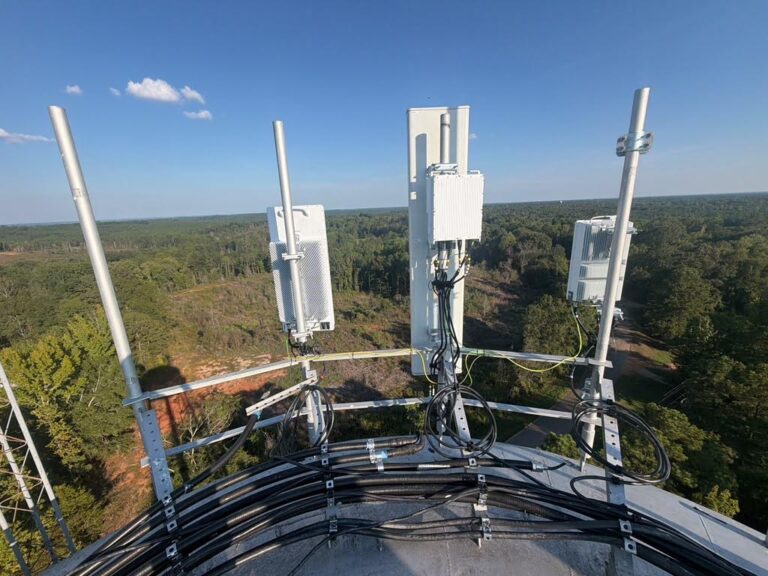
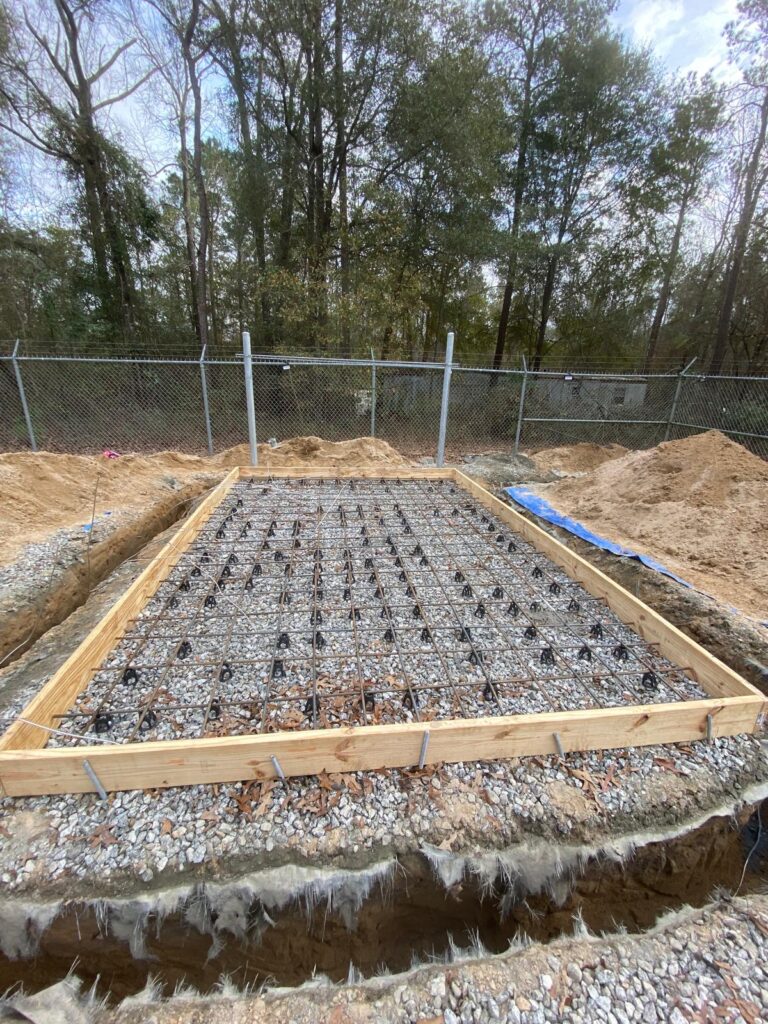
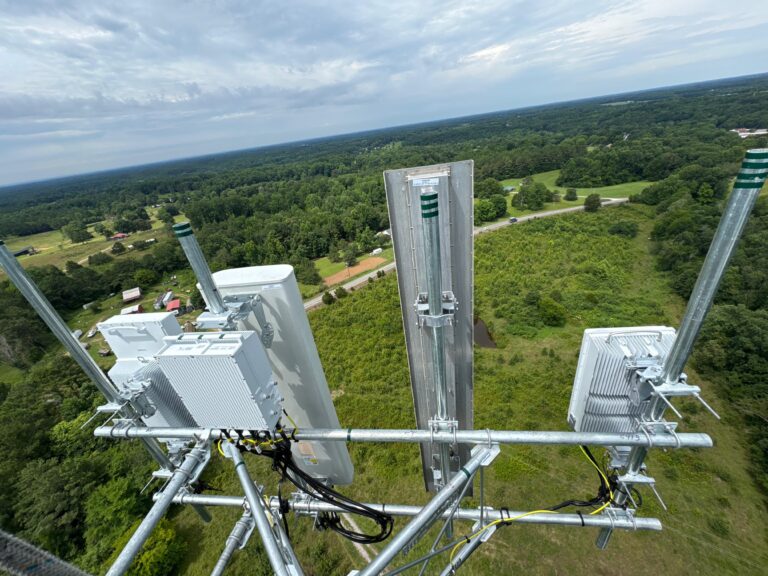
When people picture a cell tower, they usually picture what’s in the air: the antennas, the radios, the steel. But just as important is what’s on the ground. Every site has a shelter or equipment cabinet packed with the gear that powers, backs up, and connects everything mounted overhead. It’s not the part that gets photographed, but if this equipment fails, the tower goes down no matter how well the antennas are aimed.
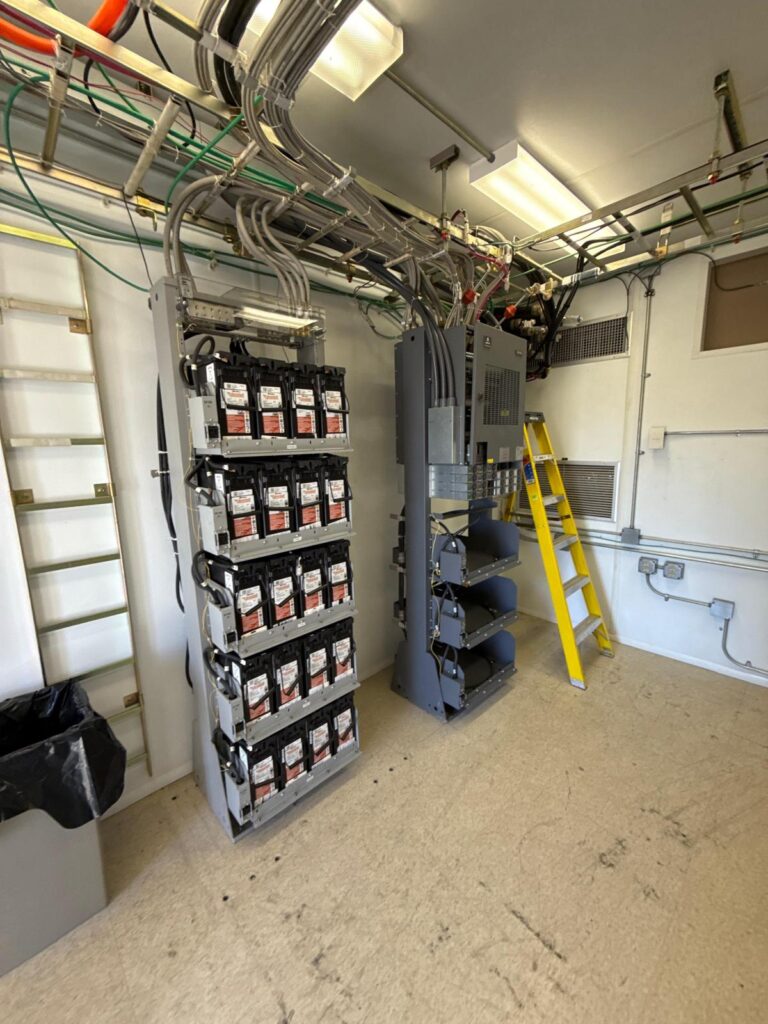
At the center of most shelters is the backup power system: a rectifier that converts incoming AC power into the DC voltage the equipment actually runs on, and a bank of batteries that kicks in the instant utility power drops. That backup is what keeps a site broadcasting through a storm, a grid outage, or anything else that knocks out commercial power, sometimes for hours at a time.
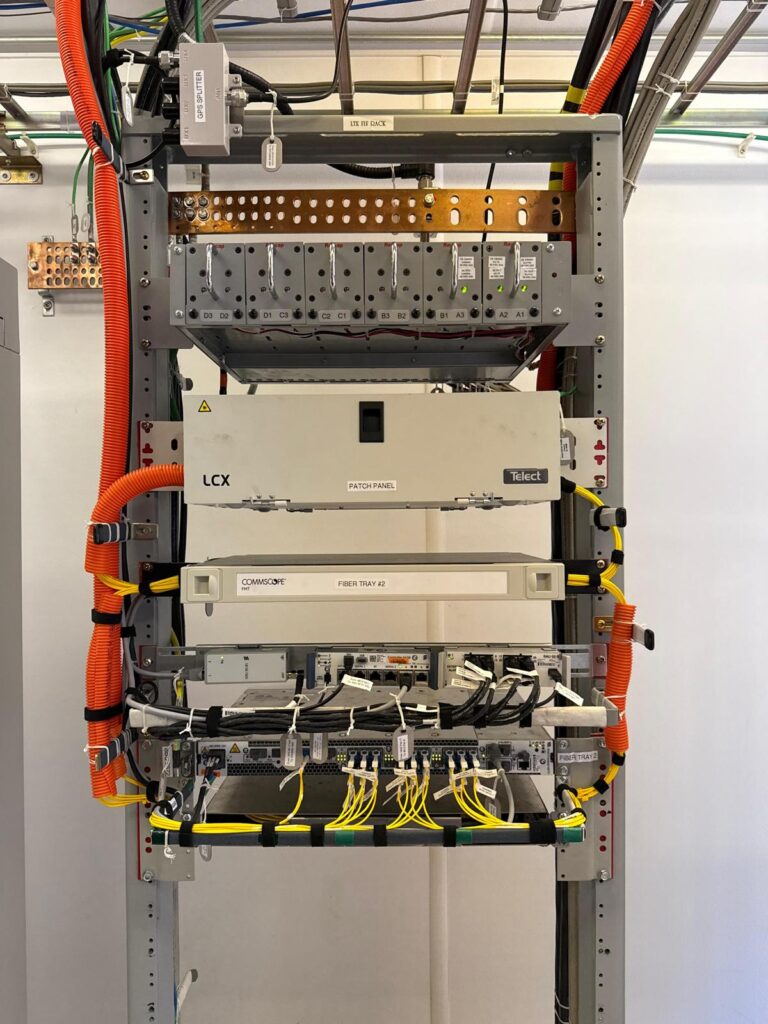
Alongside the power gear sits the site’s baseband and radio equipment, the racks that process the signal coming down from the antennas overhead and hand it off to the carrier’s network. Everything is organized into labeled racks with fiber and coax run cleanly overhead, because a cluttered shelter is a slower shelter to troubleshoot when something actually needs attention.
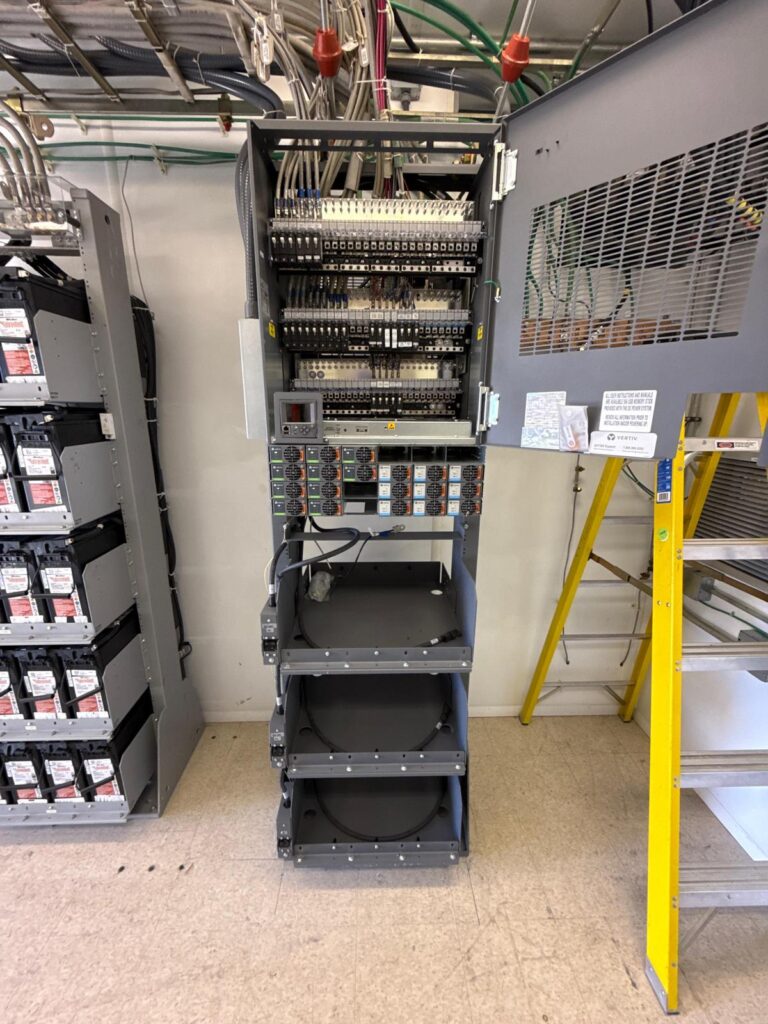
Once Professional, Always Professional doesn’t stop at the top of the tower. Tower Tigers Crew handles both the elevated work up on the structure and the ground-level equipment that keeps a site running, because a site is only as reliable as its weakest link, and we don’t leave that to chance.